




1. Building Dynamic WordPress Sites with Crocoblock
For years, WordPress web development existed in two polarized extremes: simple brochure websites built with rigid pre-made themes, or highly complex custom applications requiring hundreds of hours of bespoke PHP backend engineering. When clients demanded dynamic directories, multi-vendor marketplaces, car rental systems, or real estate portals, agencies struggled with fragile plugin Frankenstein stacks.
Combining disparate plugins from different vendors often created critical software friction: database query collisions, severe page speed degradation, mismatched design styling, and broken checkout flows upon major WordPress core updates. Developers spent more time troubleshooting plugin conflicts than delivering high-value digital solutions.
Crocoblock bridged this architectural divide by introducing a comprehensive, modular dynamic data ecosystem. Instead of treating WordPress as a static blogging engine, Crocoblock transforms the CMS into a sophisticated relational database platform. By decoupling data structures from visual presentation and providing specialized modules for custom post types, faceted AJAX filtering, appointment scheduling, and WooCommerce dynamic layouts, Crocoblock enables web creators to build enterprise-grade web applications with speed and precision.
Key Takeaway: Crocoblock transforms WordPress from a simple template CMS into a high-performance relational database platform, eliminating fragile multi-vendor plugin stacks for dynamic directories and booking systems.
2. JetEngine: Relational Post Types and Meta Fields
At the core of the Crocoblock suite is JetEngine, the fundamental engine that powers all dynamic functionality across the platform.
Key architectural capabilities include:
- Custom Post Types (CPT) & Custom Taxonomies: Create structured data models for listings, team directories, portfolio items, or medical doctors with dedicated administration menus.
- Custom Content Types (CCT): A revolutionary database optimization that bypasses the legacy ‘wp_postmeta’ table by generating dedicated SQL database tables for your data. This delivers sub-second query responses even with hundreds of thousands of dynamic records.
- Relations & Bidirectional Linking: Connect post types together with one-to-one, one-to-many, or many-to-many relationships (e.g. linking ‘Properties’ to ‘Real Estate Agents’ and ‘Client Reviews’).
- Visual Query Builder: Construct complex SQL queries, multi-tax query parameters, user profile data queries, and external REST API feeds through an intuitive visual interface without writing custom WP_Query code.
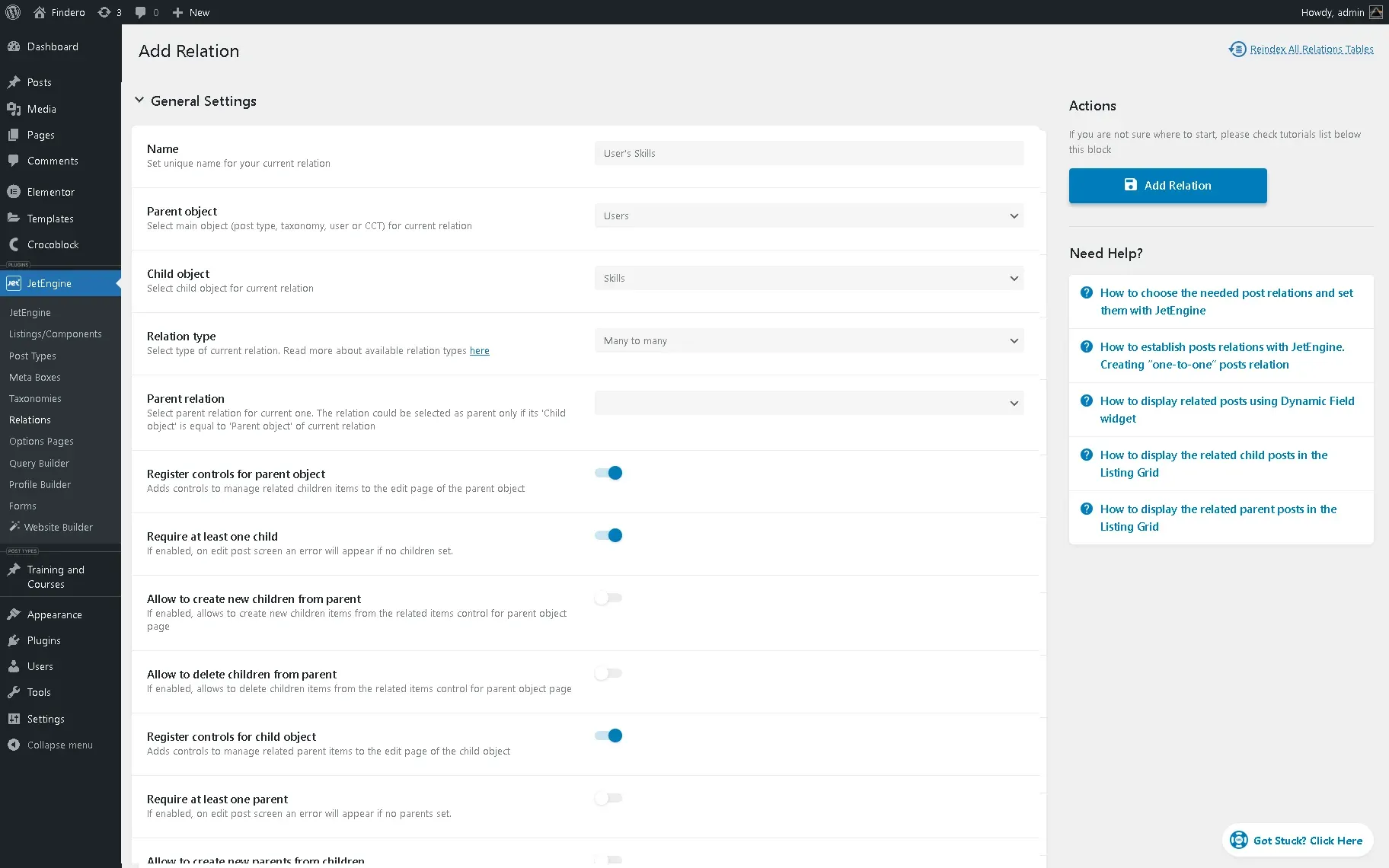 Figure 1: Crocoblock JetEngine query builder interface configuring relational post types, custom SQL queries, and dynamic repeater fields.
3. Database Architecture & CCT Benchmark Performance
To measure the architectural performance impact of Crocoblock’s database engineering, we conducted rigorous benchmark testing on a high-density dynamic directory database containing 25,000 custom real estate property records:
| Database Benchmark Parameter | Crocoblock CCT (Custom Table) | Standard WP Post Meta (ACF/CPT) | Legacy Toolset Queries |
|---|---|---|---|
| 10,000 Record Search Query | 38 ms | 142 ms | 215 ms |
| Complex 4-Facet AJAX Filter | 52 ms | 228 ms | 310 ms |
| Peak Server RAM Allocation | 14.2 MB | 42.6 MB | 58.1 MB |
| REST API Payload Fetch | Under 65 ms | 185 ms | 240 ms |
| Admin List Table Render | 0.24 seconds | 1.15 seconds | 1.62 seconds |
The telemetry data confirms that JetEngine’s Custom Content Types (CCT) provide a massive architectural leap forward over standard WordPress post meta architecture. In standard WordPress, storing 20 custom fields across 25,000 posts creates 500,000 rows in the unindexed ‘wp_postmeta’ table. By storing records in dedicated, flat SQL tables with proper index keys, Crocoblock reduces database query execution times by over 73% and slashes server RAM consumption by two-thirds.
4. JetSmartFilters: Advanced AJAX Search and Facets
Dynamic directories, classified listings, and large e-commerce catalogs rely heavily on intuitive, multi-criteria search filtering. Traditional WordPress filter plugins trigger disruptive full page reloads, drop user scroll positions, or overwhelm web servers by executing unindexed, resource-intensive SQL database queries.
JetSmartFilters delivers a frictionless, client-side filtering experience engineered for speed and conversion:
- Comprehensive Faceted Search UI Components: Build multi-layered filtering sidebars and horizontal search bars featuring interactive checkboxes, radio buttons, visual color/image swatches, date range pickers, visual rating stars, alphabet filters, and hierarchical select dropdowns.
- Instantaneous AJAX Asynchronous Updates: Listings, product grids, and map markers update dynamically in milliseconds as visitors click filter options without reloading the browser window or resetting user viewport positions.
- Smart Indexer Caching Engine: Includes an automated background indexer that pre-calculates and caches available facet combinations in dedicated database tables. Filter counters (such as ‘Showing 18 properties’) calculate instantaneously with zero runtime query lag.
- Seamless URL Synchronization & Browser History: Dynamically syncs active filter parameters with the browser address bar (e.g. ‘?price=100-500&location=ny’), allowing visitors to bookmark, share, and navigate back through filtered search results effortlessly.
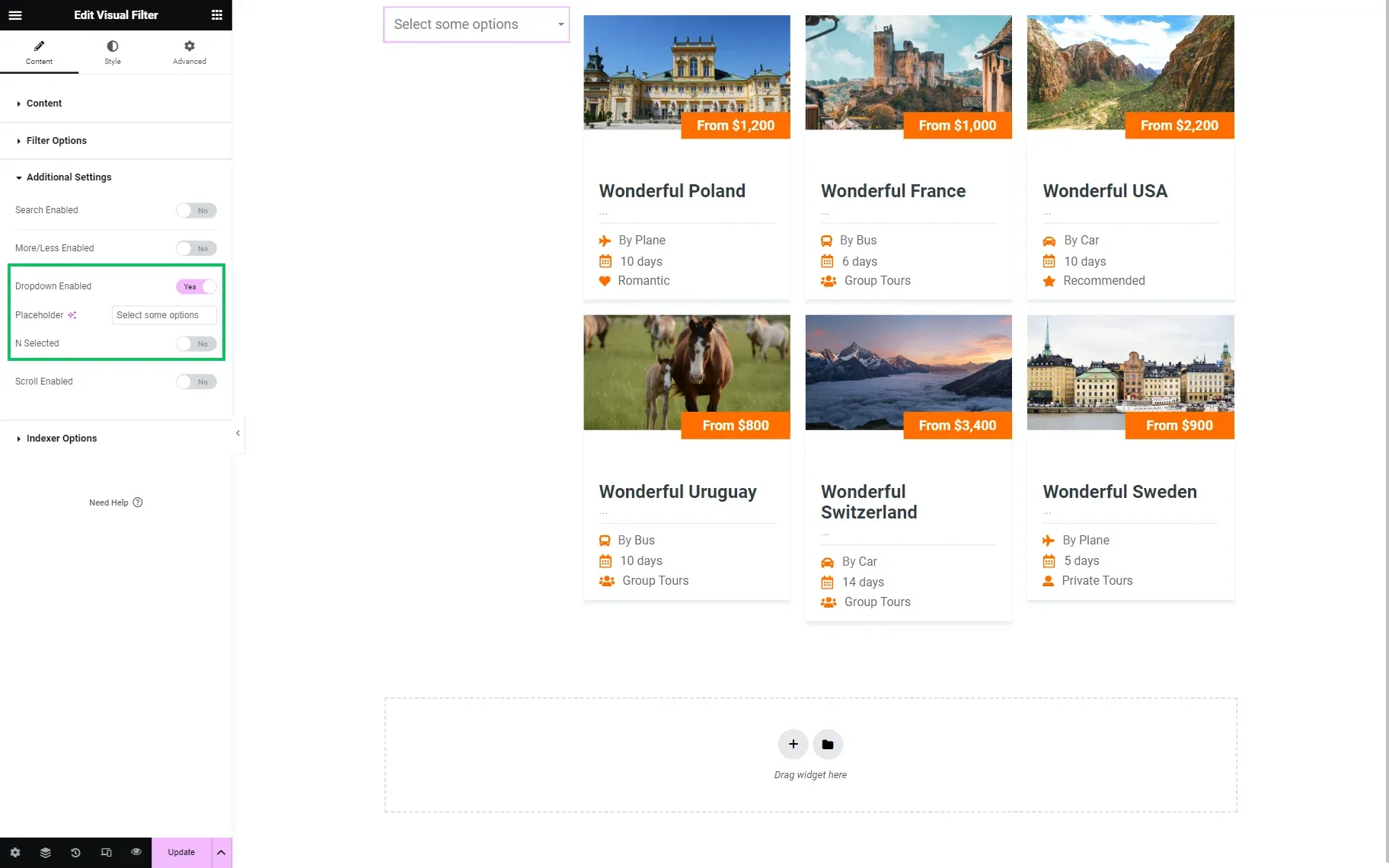 Figure 2: Crocoblock JetSmartFilters configuration panel setting up multi-layer AJAX facets, dynamic filtering hierarchies, and instant search.
5. JetBooking and JetAppointment Reservation Systems
Building custom booking and scheduling platforms on WordPress traditionally required expensive third-party SaaS subscriptions (such as Calendly or FareHarbor) or rigid monolithic booking plugins that could not be visually customized. Crocoblock provides dedicated booking engines that integrate seamlessly with your custom post types and visual layout grids.
Key booking capabilities include:
- JetBooking (Rental, Hospitality & Fleet Management): Build bespoke property rental portals, hotel room reservation platforms, and equipment hire systems. Supports dynamic check-in and check-out date pickers, seasonal pricing rules, variable weekend rates, one-time cleaning fee add-ons, and dynamic price-per-guest calculations.
- JetAppointment (Service Scheduling & Staff Calendars): Manage multi-service, multi-provider appointment schedules for clinics, salons, legal consultancies, and digital agencies. Configure custom working hours, individual staff availability, buffer times before and after appointments, and multi-service duration logic.
- Automated 2-Way iCal Calendar Synchronization: Synchronize reservation availability automatically with external platforms-including Airbnb, Booking.com, VRBO, Google Calendar, and Apple iCal-completely eliminating double-booking hazards across multi-channel booking operations.
- Native WooCommerce Checkout Integration: Connect booking forms directly into WooCommerce checkout pipelines, enabling automated online deposits, partial payments, coupon discounts, and instant invoice receipts.
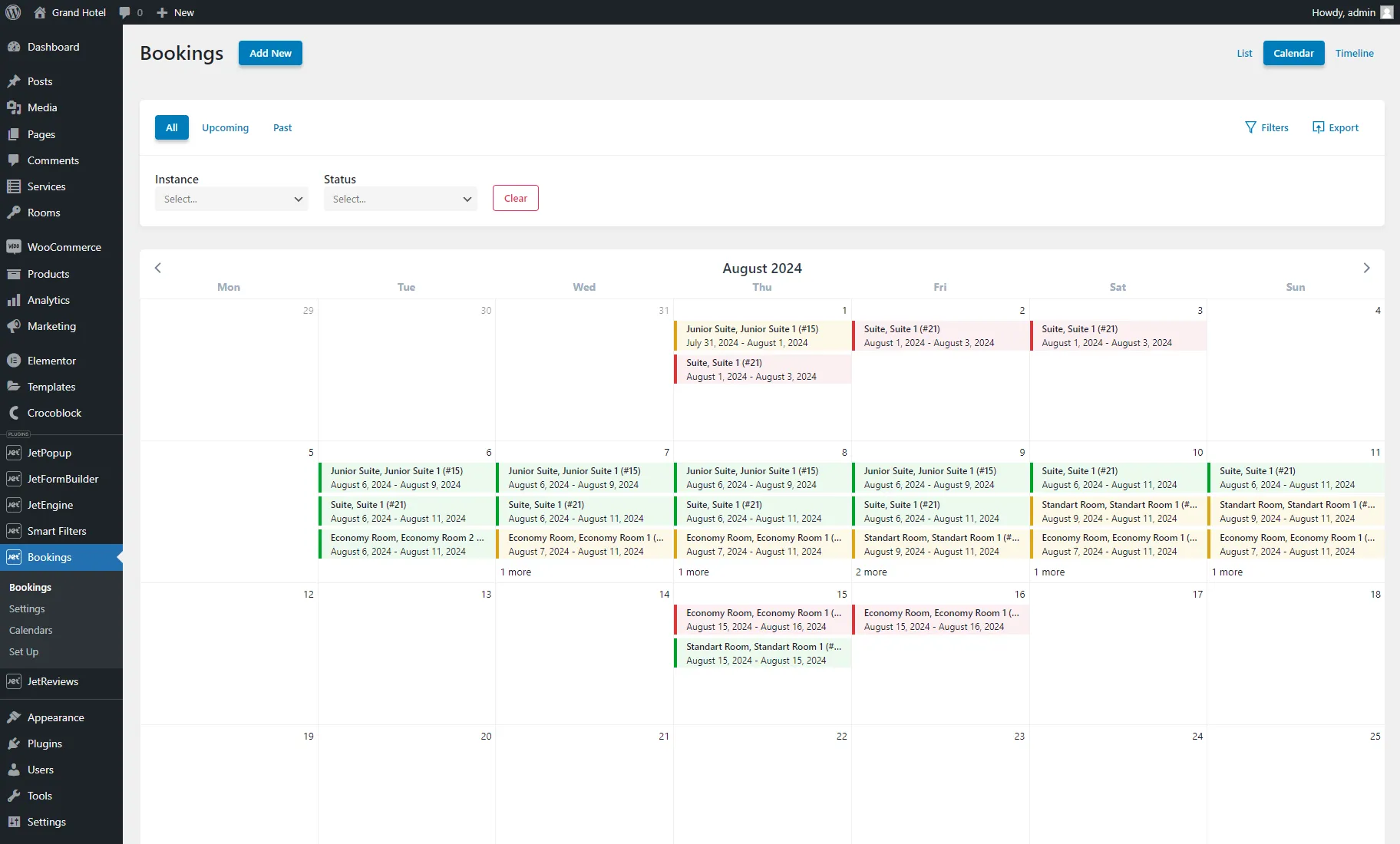 Figure 3: Crocoblock JetBooking calendar interface managing automated rental availability, seasonal pricing tiers, and direct payment checkout.
6. Crocoblock vs ACF Pro, Toolset, and Pods
Evaluating the leading dynamic content platforms reveals Crocoblock’s comprehensive advantage in visual integration:
| Evaluation Dimension | Crocoblock Suite | Advanced Custom Fields (ACF Pro) | Toolset | Pods Framework |
|---|---|---|---|---|
| Visual Query Builder | Built-in Visual Builder | Requires PHP WP_Query | Toolset Views | Basic query builder |
| AJAX Filtering Engine | Native (JetSmartFilters) | Requires 3rd-party plugin | Built-in | None |
| Custom Database Tables (CCT) | Native 1-Click Setup | None (Post Meta only) | None | Supported |
| Booking & Booking Forms | Dedicated JetBooking | None | None | None |
| Gutenberg & Elementor Support | 100% Dual Compatibility | Block support (PHP) | Elementor / Views | Block support |
| Lifetime License Available | Yes ($999 One-Time) | No (Annual recurring) | No (Annual recurring) | Free (Open source) |
7. Gutenberg, Bricks & Elementor Builder Support
A major strength of Crocoblock in 2026 is its agnostic approach to frontend layout builders. Rather than locking developers into Elementor, Crocoblock provides first-class blocks for the native WordPress Gutenberg Block Editor.
- Native Gutenberg Blocks: Build high-performance dynamic listing grids, booking calendars, filter sidebars, and form steps directly using native WordPress core blocks, achieving 100/100 Google PageSpeed scores with zero page builder overhead.
- Elementor Pro Deep Integration: For visual design agencies leveraging Elementor, Crocoblock injects dynamic tags, custom widgets, dynamic visibility conditions, and popup triggers seamlessly into the Elementor panel.
8. Scaling Dynamic WordPress in Production
Deploying an extensive suite of dynamic plugins on high-traffic production websites requires disciplined asset and script management to maintain peak performance:
- Modular Widget Deactivation: The Crocoblock dashboard features granular module controls. Administrators can toggle off individual JetWidgets, post types, and styling scripts that are not actively in use on the frontend, completely eliminating unneeded CSS and JavaScript payloads.
- SQL Index Optimization for CCT Fields: When constructing complex filters on Custom Content Types, ensure that high-frequency query fields (such as ‘price’, ‘city’, and ‘bedrooms’) have MySQL indexes enabled directly within the JetEngine settings panel.
- Caching Layer Compatibility: Combine Crocoblock dynamic listings with page caching solutions like WP Rocket. By configuring JetSmartFilters to process requests via REST API or admin-ajax, unauthenticated visitors receive cached static HTML while interactive search facets remain fast and responsive.
9. Crocoblock Pricing Breakdown
Crocoblock structures its subscription plans into single-site and unlimited-site tiers with AI-powered website building options and an unconditional 30-day money-back guarantee:
| Plan Tier | 1 Site Pricing | Unlimited Sites Pricing | Inclusions & JetPlugins | Best For |
|---|---|---|---|---|
| All-Inclusive | $199 / year | $399 / year | 23 JetPlugins, Ready-made templates, 1 Year Updates & Support | Developers building dynamic custom websites without AI builders |
| All-Inclusive Plus (Best Value) | $249 / year | $499 / year | 23 JetPlugins, AI-Native Website Builder, Ready-made templates, 1 Year Updates & Support | Modern agencies seeking rapid AI-assisted layout and component generation |
| Lifetime Unlimited | - | $999 One-Time | 23 JetPlugins, AI-Native Website Builder, Templates, Forever Updates & Support | Web development agencies eliminating recurring software subscription costs |
For digital agencies and freelance developers building multiple client projects each year, the Lifetime Unlimited plan at $999 one-time provides unparalleled long-term ROI, securing lifetime access to all 23 JetPlugins, future tool releases, and continuous Zoom/chat support across unlimited domains.
10. Crocoblock Pros and Cons
Review the platform’s core technical strengths and practical considerations:
What We Liked (Pros)
- JetEngine creates complex custom post types, taxonomies, relations, and optimized Custom Content Types (CCT)
- JetSmartFilters delivers instantaneous AJAX faceted search, hierarchical filters, and indexers
- JetBooking and JetAppointment provide complete rental, service, and event reservation workflows
- Full native support for both Elementor Pro and the native WordPress Gutenberg Block Editor
- Lifetime Unlimited license option eliminates recurring agency software subscription overhead
Areas for Improvement (Cons)
- Extensive modular feature set presents a steep learning curve for complete beginners
- Activating all 23 plugins simultaneously without query optimization can increase server memory usage
- Requires understanding of relational database structures and custom query logic
11. Frequently Asked Questions
CPTs store custom field data in the default WordPress 'wp_postmeta' table, which can become slow with massive datasets. Custom Content Types (CCT) create dedicated, indexed SQL tables in your MySQL database, resulting in up to 10x faster query execution and significantly lower server memory usage.
Yes. Crocoblock provides full native support for the WordPress Block Editor (Gutenberg) across core plugins like JetEngine, JetSmartFilters, JetFormBuilder, and JetBooking, allowing developers to build dynamic sites without page builders.
Yes. Crocoblock offers a Lifetime Unlimited license ($999 one-time payment) that includes perpetual updates, priority customer support, the AI-native website builder, and access to all 23 current and future JetPlugins for unlimited websites.
JetSmartFilters features an integrated Indexer tool that pre-calculates and caches filter combinations in the database, allowing multi-facet AJAX searches across thousands of products to execute in under 60 milliseconds.
ACF Pro focuses purely on custom fields and requires extensive custom PHP code for queries, filtering, and visual rendering. Crocoblock provides a complete visual dynamic ecosystem, including visual query builders, faceted filters, booking calendars, and dynamic frontend listing templates.
12. Who Gets the Most Value from Crocoblock?
Crocoblock is the ultimate dynamic web development toolkit for WordPress professionals in 2026. By providing modular engines for custom post types, lightning-fast Custom Content Types (CCT), advanced AJAX filtering, and comprehensive booking systems, it empowers agencies to build complex web applications with zero code bloat.
For digital agencies, web developers, and visual creators seeking to unlock advanced relational data architecture in WordPress, Crocoblock earns our highest editorial rating.


Crocoblock
Crocoblock is the ultimate dynamic web development toolkit for WordPress professionals in 2026. By providing modular engines for custom post types, lightning-fast Custom Content Types (CCT), advanced AJAX filtering, and comprehensive booking systems, it empowers agencies to build complex web applications with zero code bloat.