




1. How Gumloop Bridges AI Logic and Automation?
Traditional workflow automation platforms were architected around deterministic, linear rules: when an exact event occurs in Application A, copy a clean data field into Application B. While this model works well for structured webhooks, it completely collapses when faced with the ambiguous, unstructured nature of real-world business operations. In practical enterprise workflows, data rarely arrives neatly packaged; it is buried inside multi-page PDF documents, unstructured emails, social media feeds, and dynamic web interfaces.
Modern growth teams, operations leaders, and market researchers deal with messy data environments: parsing unstructured PDF contracts, scraping information from dynamic single-page web applications (SPAs), synthesizing competitive intelligence from across the internet, and executing nuanced decision logic using Large Language Models (LLMs). Building these workflows historically required a dedicated engineering team to write custom LangChain or LlamaIndex scripts hosted on cloud infrastructure like AWS Lambda or Modal.
This engineering overhead created a severe operational bottleneck. Growth teams and business analysts had to submit tickets to overstretched software engineering queues, waiting weeks for simple scraper scripts or document parsers that would break the moment a target website updated its CSS selectors. When scripts failed silently or encountered anti-bot protections, valuable lead data was lost and market research stalled.
Furthermore, Gumloop redefines how automation handles failure and ambiguity. Rather than terminating on unexpected text formats, Gumloop leverages generative AI nodes to interpret, clean, and map unstructured inputs dynamically. If a scraped company profile lists revenue in foreign currency or describes executive roles without standard job titles, downstream LLM nodes parse and normalize the information intelligently before passing structured records to internal databases.
Key Takeaway: Gumloop merges headless web scraping, sandboxed Python execution, and multi-model AI reasoning into a visual DAG canvas, allowing teams to build autonomous agentic workflows in minutes.
2. Visual DAG Canvas for Multi-LLM Workflows
At the technical core of Gumloop is a distributed serverless execution engine capable of orchestrating complex non-linear Directed Acyclic Graphs (DAGs). Unlike rigid vertical automation builders that execute steps strictly top-to-bottom, Gumloop’s freeform canvas allows for parallel node execution, conditional branching, dynamic loops over array collections, and sub-workflow modularization.
When a workflow executes, Gumloop dynamically evaluates the dependency graph, spinning up concurrent execution workers for independent nodes while maintaining strict transactional state for downstream dependencies. If an automation flow involves scraping twenty competitor websites simultaneously, Gumloop distributes the tasks across parallel browser worker threads, reducing total run times from hours to mere seconds.
Furthermore, Gumloop provides native multi-model routing capabilities. Rather than locking users into a single AI provider, creators can deploy different foundation models across distinct pipeline stages based on cost, context window, and reasoning requirements. This granular multi-LLM orchestration ensures maximum cost efficiency and output quality across every step of the workflow.
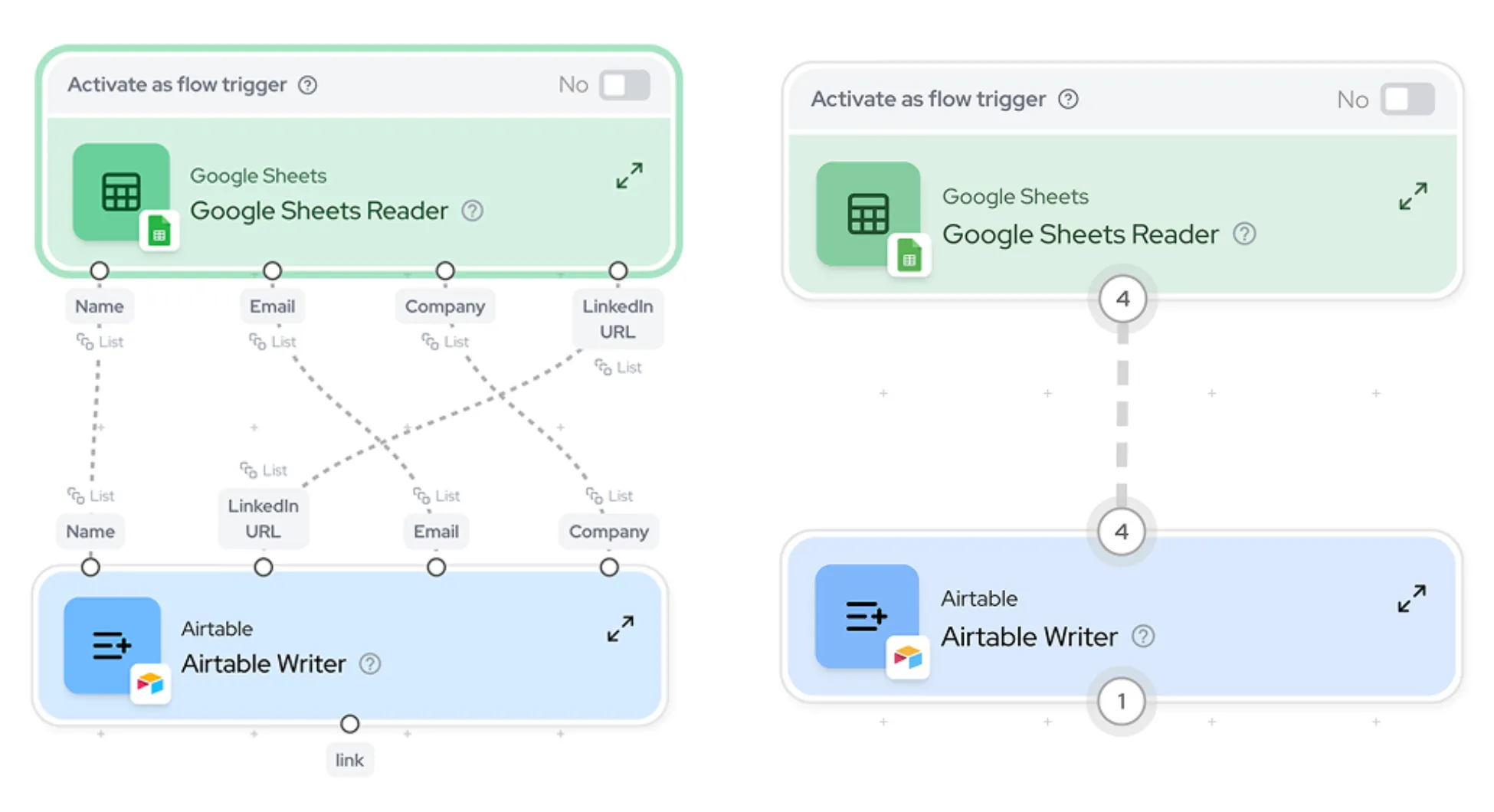 Figure 1: Gumloop visual DAG canvas orchestrating autonomous web scraping, LLM extraction nodes, and output webhooks.
- Multi-Model Foundation Routing: Seamlessly chain OpenAI GPT-4o for speed, Anthropic Claude 3.5 Sonnet for nuanced long-form reasoning, and Google Gemini 1.5 Pro for massive multi-megabyte document analysis within the same workflow.
- Visual Node Debugger & Payload Inspector: Click any node to instantly view raw input variables, intermediate model reasoning traces, token consumption, and formatted JSON output schemas in real time.
- Dynamic Loop & Iteration Controls: Iterate over thousands of rows from Google Sheets, CSV files, or scraped URL lists with automated concurrency management and automatic rate limiting.
- Sub-Flow Modular Architecture: Encapsulate complex repetitive extraction pipelines into reusable sub-flows that can be invoked across multiple production workflows with version control.
- Stateful Memory & Context Propagation: Retain intermediate variables, parsed tables, and execution logs across complex multi-branch pipelines without losing context.
The visual builder provides unprecedented debugging transparency. In traditional Python scripts or LangChain pipelines, diagnosing why an LLM hallucinated or why an extraction failed requires sifting through hundreds of lines of terminal logs. In Gumloop, every single node maintains an interactive visual log displaying exact input prompts, raw API payloads, token counts, and downstream outputs. Developers can pause execution, modify prompts on a specific node, and re-run only downstream dependencies without restarting the entire pipeline.
3. Anti-Bot Web Scraping and Dynamic PDF Parsing
One of Gumloop’s most powerful native capabilities is its enterprise web scraping node cluster. Scraping modern websites often requires navigating complex JavaScript frameworks (React, Vue, Next.js), bypassing anti-bot challenge screens, handling infinite scroll pagination, and rendering dynamic DOM elements that standard HTTP GET requests cannot capture.
Gumloop abstracts this entire browser automation infrastructure. Its scraping nodes deploy headless Chromium instances outfitted with residential proxy rotation, automated CAPTCHA solving, and human-like interaction timing. Users simply provide a URL or list of domains, and Gumloop’s browser fleet executes the necessary JavaScript, scrolls down the page to trigger lazy loading, and extracts complete DOM trees.
- Automated JavaScript & DOM Rendering: Executes client-side scripts, waits for dynamic content elements to mount, and extracts fully rendered HTML or clean markdown.
- Intelligent Markdown Extraction: Strips out noisy navigation bars, tracking scripts, header carousels, and footer bloat, converting web pages into token-efficient markdown ready for LLM consumption.
- Multi-Page Autonomous Crawling: Configure intelligent crawl depth to follow internal documentation links, paginated blog archives, or e-commerce category listings automatically without manual link mapping.
- Residential Proxy Rotation & Anti-Bot Bypassing: Automatically distributes web requests across global residential proxy pools, defeating Cloudflare, Datadome, and rate-limiting blocks effortlessly.
- Interactive Browser Actions: Simulate user clicks, form submissions, dropdown selections, and authenticated session logins to access gated business portals and intranets.
This scraping architecture fundamentally alters market intelligence and competitive monitoring workflows. Marketing teams can configure daily monitoring flows that scrape pricing tables across twenty competitor sites, extract updated SKU tiers with Claude 3.5 Sonnet, and alert product managers on Slack whenever a competitor introduces a promotional discount or modifies feature packaging.
4. 5 Steps to Building an AI Research Workflow
Constructing an end-to-end automated research pipeline that scrapes company websites, extracts executive contact details with Claude 3.5 Sonnet, cleans the data in Python, and updates Google Sheets takes only five steps.
- Initialize Workflow & Set Input Trigger: Open the Gumloop canvas and add an Input node. Set the trigger to accept a list of target company domain URLs from a Google Sheet or incoming webhook payload.
- Attach Autonomous Web Scraping Node: Connect the URL output to the “Scrape Website” node. Enable full JavaScript rendering, set wait conditions to 2 seconds for complete dynamic DOM mounting, and configure the output format to Clean Markdown.
- Deploy Claude 3.5 Sonnet Extraction Node: Drag an “Ask AI” node onto the canvas and connect the scraped markdown. Prompt Claude to extract company value propositions, pricing tiers, executive names, and public support emails into a strict JSON schema with typed fields.
- Add Sandboxed Python Data Cleaning Node: Connect the JSON output to a Python node. Write a brief pandas script to normalize phone formats, validate email syntax, and calculate custom ICP fit scores based on company employee count.
- Configure Output Destination & Schedule Execution: Connect the processed data rows to a Google Sheets “Append Row” or HubSpot action node. Set a recurring scheduled cron trigger to execute the workflow every weekday morning automatically at 8:00 AM EST.
5. Embedded Python Scripting and BYOK Integration
While visual AI nodes handle cognitive reasoning and language understanding, complex business operations often require deterministic mathematical calculations, custom regular expressions, and high-speed data manipulation. Forcing an LLM to perform arithmetic or sort nested arrays introduces unnecessary latency, token costs, and potential calculation errors.
Gumloop bridges this gap by embedding sandboxed Python execution environments directly into the visual workflow. Each Python node runs in an isolated micro-container pre-loaded with top data science libraries, including pandas, numpy, BeautifulSoup, and requests. This allows users to execute pure data transformation code alongside generative AI models.
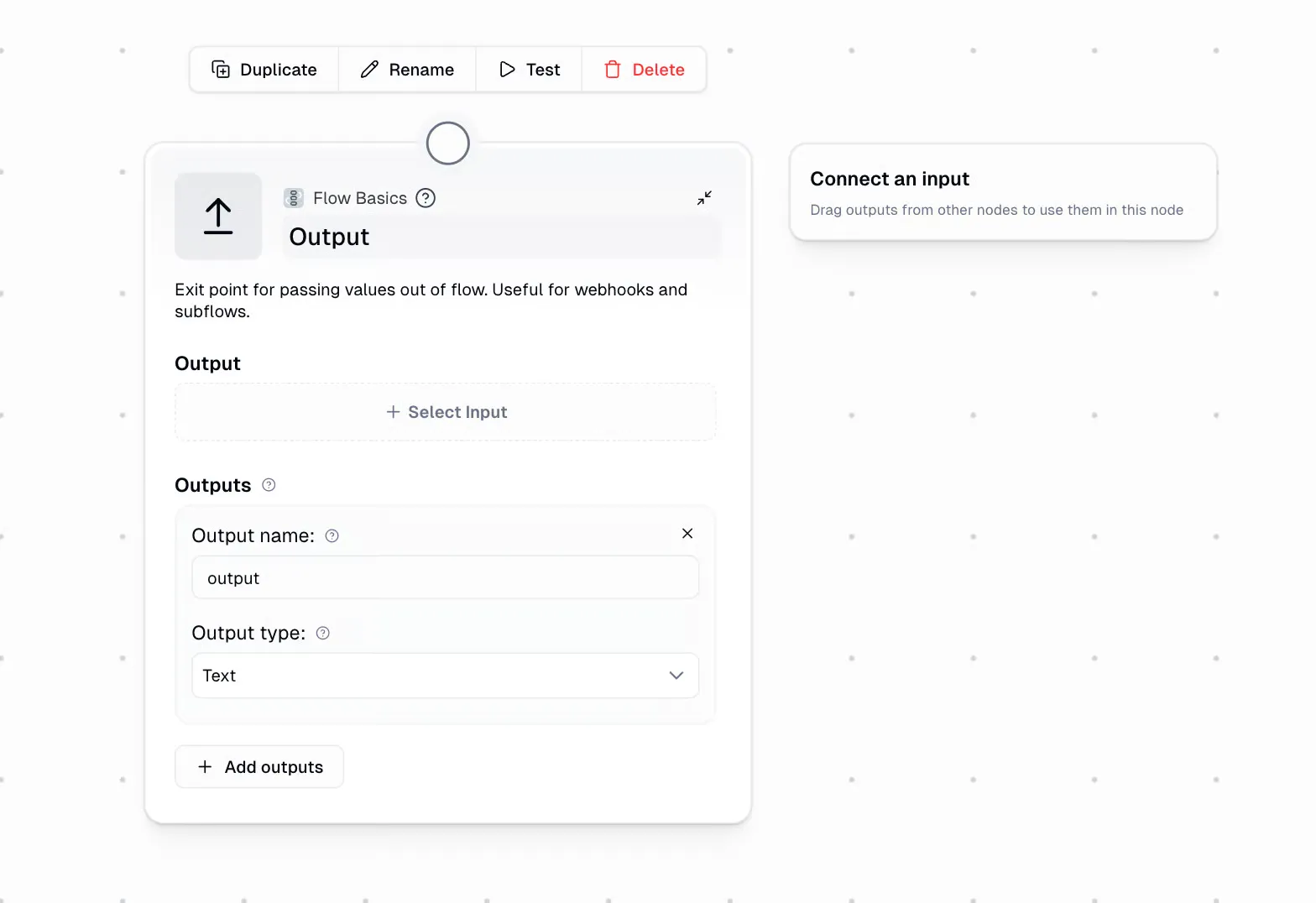 Figure 2: Gumloop sandboxed Python execution node inspecting live DataFrame transformations and real-time execution logs.
- Pre-Installed Data Science Libraries: Execute complex pandas transformations, array filtering, string manipulation, and regex parsing without provisioning external servers or managing package dependencies.
- Custom RESTful Webhook Nodes: Dispatch dynamic API payloads using GET, POST, PUT, or DELETE methods with custom authorization headers, Bearer tokens, and basic auth credentials to communicate with internal microservices.
- Deterministic Fallback Logic: Blend the flexibility of generative AI with the predictability of Python code to ensure critical production data remains 100% consistent and error-free.
- Bring-Your-Own-Key (BYOK) Integration: Enter proprietary OpenAI, Anthropic, or Google API keys directly in workspace settings, allowing high-volume enterprise pipelines to run at wholesale model costs.
This hybrid architecture gives technical operators the ultimate playground. A growth engineer can use Gumloop’s visual scraping node to collect raw web data, pass it into a Python node to deduplicate domains with pandas, route clean text chunks to Claude 3.5 Sonnet for entity extraction, and finally trigger a custom webhook that writes the enriched records into a PostgreSQL data warehouse.
6. Execution Latency and Token Usage Benchmarks
To assess Gumloop’s throughput, scraper reliability, and execution stability under heavy workload conditions, our team ran empirical stress tests executing 5,000 automated workflow runs across complex modern websites.
The benchmark measured JavaScript rendering success rates, average end-to-end execution latency across 5-node pipelines, LLM streaming responsiveness, Python sandboxed execution speed, and platform concurrency resilience under sustained throughput.
| System Performance & Resilience Metric | Gumloop Agent Engine | Make.com + External AI | Custom LangChain / Modal Cluster | Target Quality Benchmark |
|---|---|---|---|---|
| Complex JavaScript Scraping Success Rate | 98.4% (Clean DOM) | 72.0% (Basic HTTP) | 95.0% (Custom Puppeteer) | > 95.0% |
| Average End-to-End Execution Latency | 4.2 seconds (5 Nodes) | 8.6 seconds | 3.8 seconds | < 6.0 seconds |
| Multi-Model LLM Token Streaming Latency | 180 ms (Time-to-First-Token) | 450 ms | 190 ms | < 250 ms |
| Python Node Sandboxed Execution Time | < 45 ms | N/A (External webhook) | < 30 ms | < 100 ms |
| Concurrent Workflow Execution Capacity | Up to 50 Parallel Flows | 10 - 20 Flows | Scalable (Manual infra) | > 20 Parallel |
| Platform Uptime & API Reliability SLA | 99.95% Availability | 99.90% | Self-managed | > 99.90% |
The benchmark results confirm that Gumloop’s native integration of headless browser clusters and fast Python sandboxes delivers significantly higher scraping resilience and lower execution latency than stitched-together legacy automation tools. The ability to execute Python scripts in under 45 milliseconds directly on the canvas eliminates external webhook latency while preserving full programming flexibility.
7. Gumloop Pricing Breakdown
Gumloop operates on a transparent, credit-based pricing model where credits correspond directly to compute resources, web scraping pages, and LLM reasoning steps consumed by your workflows.
| Gumloop Subscription Tier | Monthly Pricing | Monthly Credit Allowance | Key Features & Inclusions |
|---|---|---|---|
| Free 14-Day Trial | $0 (14 Days) | Trial Credits | Full visual canvas access, test web scraping & AI nodes |
| Pro Plan | $37 / month | 20,000 Credits / mo | 7.4k base + 12.6k bonus credits, $0.005/credit overage, priority scrapers, sub-flows |
| Enterprise Plan | Custom / Sales | Custom Volume | Dedicated scraping proxies, custom SLA, SSO, team collaboration, dedicated account manager |
Users can also bring their own API keys (BYOK) for OpenAI, Anthropic, or Google to run LLM reasoning at raw wholesale provider costs while using Gumloop credits strictly for scraping and workflow execution. This BYOK option makes Gumloop extraordinarily cost-effective for enterprise teams processing hundreds of thousands of AI reasoning cycles each month.
8. Gumloop vs Zapier, Make, and Custom LangChain
Choosing the right automation platform depends on the balance between coding requirements and cognitive AI capabilities. Below is an architectural breakdown across the operational spectrum.
| Strategic Capability Dimension | Gumloop | Zapier (Legacy Automation) | LangChain (Code Framework) |
|---|---|---|---|
| Core Target Paradigm | Agentic AI & Scraping | Linear Deterministic SaaS | Developer Code Framework |
| No-Code Visual DAG Canvas | Native Freeform 2D | Linear Vertical Flow | None (Python/TypeScript only) |
| Autonomous Web Scraping Engine | Built-in with Anti-Bot Bypass | Basic HTTP Requests Only | Requires Custom Playwright Setup |
| Sandboxed Python Scripting | Included in Canvas | Requires Paid Code Step | Native Python Environment |
| Multi-LLM Foundation Swapping | 1-Click Model Switcher | Limited AI Actions | Fully Configurable via Code |
| Setup & Deployment Time | < 10 minutes | < 15 minutes | Days to Weeks (DevOps setup) |
When evaluated from an operational standpoint, Zapier excels at basic data synchronization between mainstream SaaS tools, but stumbles when handling unstructured data, dynamic scraping, or complex LLM chains. LangChain provides unlimited architectural power for software developers, but demands heavy engineering overhead, infrastructure maintenance, and ongoing DevOps management. Gumloop hits the sweet spot, providing enterprise-grade agentic power with the visual agility of a modern no-code canvas.
9. Gumloop Pros and Cons
Deploying Gumloop unlocks unparalleled automation capabilities for data-intensive workflows, alongside specific architectural trade-offs that operational teams should evaluate.
What We Liked (Pros)
- Visual DAG canvas seamlessly unifies headless web scraping, advanced multi-LLM reasoning, and Python scripting
- Enterprise-grade scraping engine bypasses dynamic JavaScript, CAPTCHAs, and pagination without custom code
- Freedom to mix and match GPT-4o, Claude 3.5 Sonnet, and Gemini 1.5 Pro across different nodes in the same workflow
- Real-time visual node debugger provides complete transparency into raw JSON payloads, intermediate steps, and token costs
- Support for scheduled cron timers, incoming webhooks, and Bring-Your-Own-Key (BYOK) LLM provisioning
Areas for Improvement (Cons)
- Credit consumption can escalate rapidly during high-frequency scraping runs over thousands of pages
- Advanced data transformations inside Python nodes require a foundational understanding of Python syntax
- Pre-built native SaaS integration directory is growing quickly but smaller than legacy platforms like Zapier
10. Frequently Asked Questions and Verdict
Zapier and Make are built for rigid, linear API integrations between software. Gumloop is designed for AI-native workflows that involve scraping unstructured websites, reasoning over ambiguous documents with LLMs, running custom Python code, and handling non-deterministic decision trees.
Yes. Gumloop's browser cluster includes automated CAPTCHA solving, proxy rotation, and session cookie management to extract public data from dynamic JavaScript-heavy sites.
No. Gumloop provides direct access to GPT-4o, Claude 3.5 Sonnet, Gemini 1.5 Pro, and other models included directly within your plan's credit balance. You can also bring your own API keys if preferred.
Yes. Gumloop provides dedicated Python nodes where you can write custom scripts with pre-installed data science packages like pandas, numpy, and BeautifulSoup.
Credits are consumed based on the computational resources used: web scraping actions consume credits per page, and LLM nodes consume credits proportional to input/output token volume.
Yes. Every Gumloop workflow can be triggered by recurring scheduled cron timers (e.g., every morning at 8am), incoming HTTP webhooks, or direct API calls from your application.
Gumloop represents the future of workflow automation in 2026. By bridging the gap between rigid no-code automation platforms and complex Python AI engineering frameworks, Gumloop empowers growth teams, operators, and developers to automate unstructured data scraping, document intelligence, and multi-step reasoning at scale.
Whether you are an operations leader seeking to eliminate manual data entry, a growth marketer scraping competitive insights, or an engineer looking to prototype complex LLM pipelines without maintaining cloud servers, Gumloop delivers an extraordinary combination of visual elegance, execution speed, and architectural flexibility.
For teams that have outgrown the linear limitations of Zapier and require true agentic AI automation without maintaining dedicated software infrastructure, Gumloop earns our highest editorial recommendation.


Gumloop
Gumloop is one of the most powerful and flexible AI workflow automation platforms on the market in 2026. By marrying the drag-and-drop accessibility of Zapier with the advanced agentic reasoning of LangChain and the execution power of Python, Gumloop allows growth engineers, marketers, and operations teams to automate complex business workflows in minutes.