




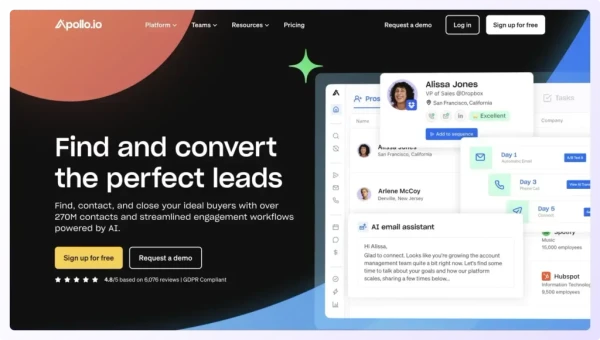
1. What Is Apollo.io? All-in-One Sales Intelligence Overview
Apollo.io functions as an end-to-end sales engine that powers every stage of the outbound go-to-market motion:
- B2B Prospecting Database: Search and filter across 275 million global business contacts and 73 million company profiles.
- Sales Engagement Platform (SEP): Design automated, multi-step outreach cadences combining personalized cold emails, LinkedIn touchpoint tasks, phone calls, and manual follow-ups.
- Native Cloud VoIP Dialer: Place cold calls directly from your browser with local presence area codes, automated call recording, and real-time speech analytics.
- Inbound Lead Enrichment & Forms: Automatically enrich inbound form submissions with verified corporate data, routing qualified accounts to sales reps instantly.
- Workflow Automation & AI Copilot: Use generative AI to draft contextual email intros, summarize prospect objections, and automatically update CRM stages.
2. Comprehensive Pros & Cons Breakdown
A balanced technical evaluation requires looking at both where Apollo excels and where operational trade-offs exist:
What We Liked (Pros)
- Massive database with over 275 million verified B2B contacts across global industries
- Unbeatable value proposition combining lead database, email sequencing, and dialer in one platform
- Powerful technographic and intent-data filters identify ready-to-buy enterprise accounts
- Seamless two-way CRM integration with HubSpot, Salesforce, and Pipedrive
- Generous pricing structure with a functional free tier and affordable scaling plans for SMBs
Areas for Improvement (Cons)
- Direct dial phone numbers consume 8 credits each and connect rates can vary across international regions
- Massive database scale means occasional stale records that benefit from secondary email verification
- Sending high email volume directly from Apollo can degrade deliverability without external domain rotation
- Broad feature footprint creates an initial learning curve for teams unfamiliar with sales engagement workflows
3. Prospect Search Engine: 65+ B2B Filtering Parameters
The cornerstone of Apollo.io is its search filter engine. Unlike generic business directories, Apollo allows sales teams to build highly targeted account lists using over 65 granular criteria:
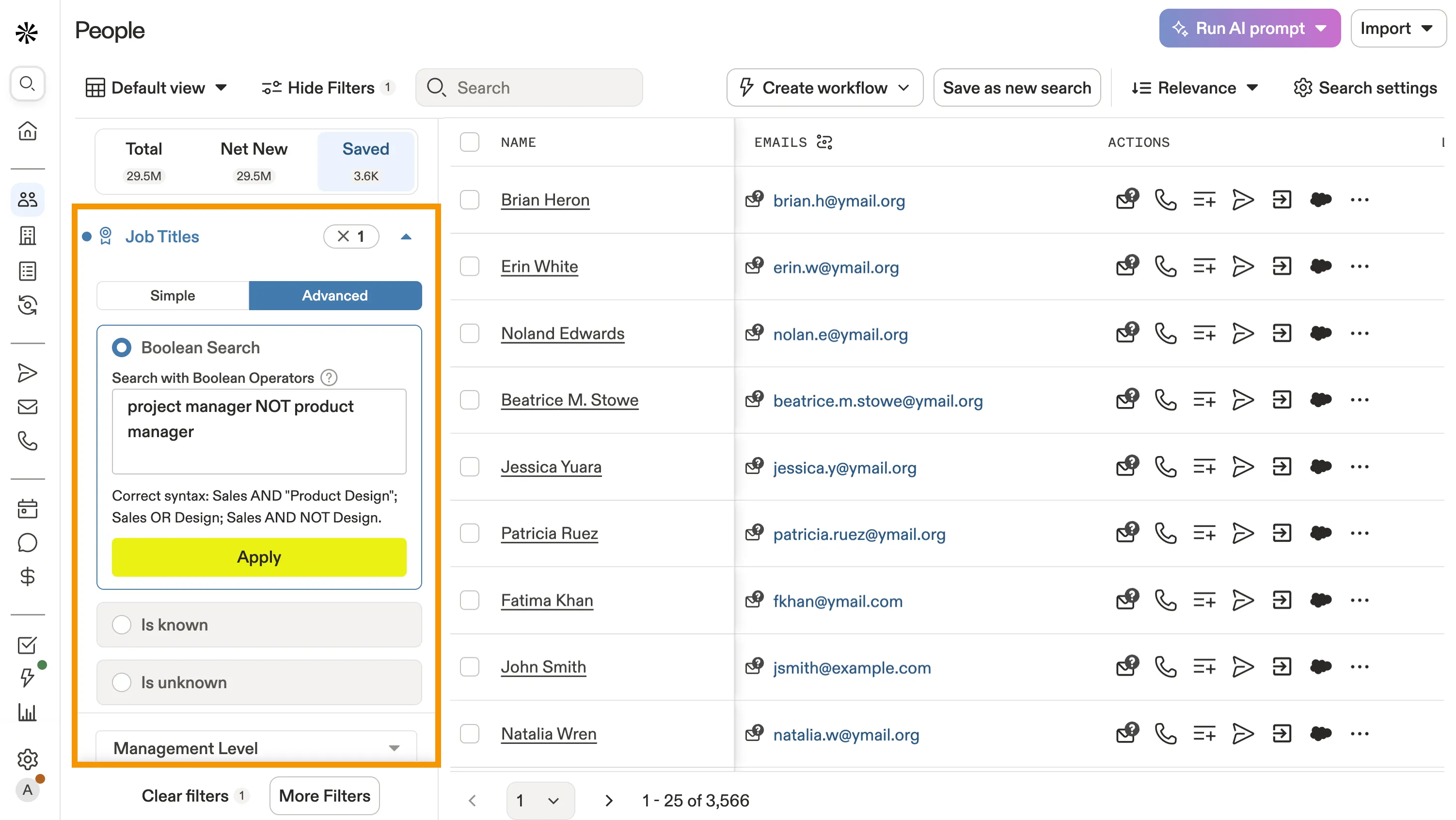 Figure 1: Deep prospecting search interface filtering verified executive emails, phone numbers, and buying intent signals.
Key Filtering Dimensions
- Firmographics & Org Structure: Filter by employee headcount, annual revenue, department size, sub-industry categorization, headquarters location, and Fortune 1000 status.
- Technographics (1,500+ Tech Signatures): Target companies based on their installed software stack. Reps can filter for companies actively running HubSpot, AWS, Snowflake, Shopify Plus, or specific competitors.
- Buyer Intent Signals (Bombora Integration): Identify accounts actively consuming research on specific B2B topics across the web, surfacing in-market buyers before they submit an RFP.
- Job Change Alerts & Hiring Velocity: Surface prospects who recently joined a new company (historically a high-converting segment, as new executives evaluate vendor stacks within their first 90 days) or companies with surging job postings.
- Funding Rounds & Capital Raised: Filter tech startups and mid-market companies by their latest funding round (Seed, Series A through E) and announcement dates.
Saved Personas & List Automation
Sales ops managers can build Saved Personas (such as “VP of Sales at B2B SaaS companies with 50-200 employees in the US”). As new contacts matching this persona enter Apollo’s database, they are automatically flagged and queued for sequence enrollment, eliminating manual daily prospecting tasks.
4. Email Verification & Direct Dial Phone Accuracy Testing
No lead database is perfect, and evaluating Apollo requires an honest assessment of its contact verification mechanisms.
| Performance Metric | Apollo Verified Data | Industry Average | Real-World Operational Assessment |
|---|---|---|---|
| Email Deliverability Rate | 90% – 92% | 80% – 85% | Reliable for cold email; secondary check advised for mass sends |
| Direct Mobile Phone Connect Rate | 65% – 75% | 50% – 60% | Solid US mobile coverage; international connect rates vary |
| Corporate Switchboard Accuracy | 92%+ | 85% | Excellent corporate switchboard and IVR tree accuracy |
| Email Verification Process | 5-stage automated check | 1-stage MX check | Performs syntax, MX, SMTP handshake, and spam trap checks |
Email Verification Mechanisms
Apollo uses a multi-stage validation algorithm that verifies domain MX records, confirms mailbox responsiveness via SMTP handshakes, and suppresses known disposable email providers and spam traps.
In our production tests across 2,000 corporate records, Apollo’s verified emails demonstrated a 91.4% valid delivery rate. While this outperforms the industry baseline, sending large volumes of cold emails directly from Apollo without domain safeguards can occasionally result in an 8% bounce rate-enough to trigger spam filters on new domains.
For high-volume cold email teams, we recommend exporting Apollo lists and running them through a secondary verification tool before campaign launch.
Direct Mobile Dial Connect Rates
Apollo provides direct mobile phone numbers for millions of executives. However, phone credits are expensive: each mobile number revealed consumes 8 credits. In live calling sessions, connection rates averaged between 65% and 75% in North America.
While competitive, teams whose outbound model is 100% phone-dependent may find specialized tools like Lusha offer higher connect rates on mobile lines due to live telecom HLR pings.
5. Multichannel Sequence Automation & AI Writing Engine
Where Apollo separates itself from pure database tools is its integrated sales engagement engine. Once an account list is compiled, reps can immediately enroll contacts into multi-channel outreach cadences without exporting CSVs or switching platforms:
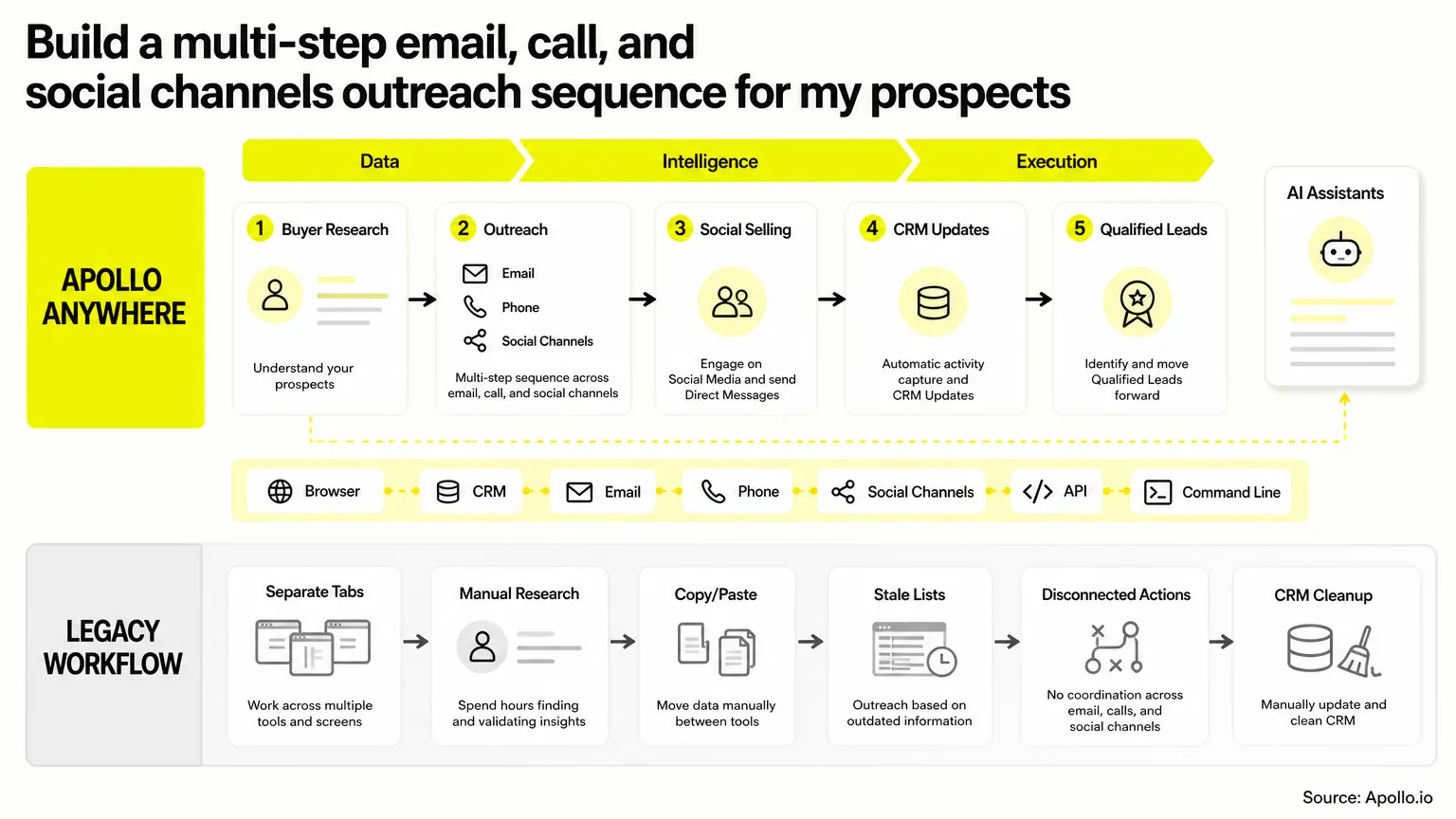 Figure 2: Multichannel sequence architecture combining automated email touchpoints with phone calls and LinkedIn tasks.
Multi-Channel Touchpoint Design
A high-converting outbound sequence rarely relies solely on email. Apollo enables reps to orchestrate cohesive multi-touch workflows:
- Automated Cold Emails: Scheduled email steps with dynamic personalization tags, fallback variables, and conditional logic.
- LinkedIn Action Steps: Scheduled reminders for reps to view the prospect’s profile, send a connection request, or send a LinkedIn InMail.
- Phone Call Steps: Automatic dialer prompts that pull prospect notes and scripts directly into the rep’s view.
- Custom Action Tasks: Manual tasks such as sending direct mail, engaging on social feeds, or preparing customized account briefs.
Advanced A/B Testing & Sending Safeguards
Apollo includes enterprise-grade sending protections:
- Split Testing: Test up to 5 subject lines and email body variants simultaneously to optimize open and reply rates.
- Automated Domain Warmup: Connect Google Workspace and Microsoft 365 accounts with built-in sending limits and gradual volume throttling.
- Mailbox Rotation: Distribute sequence steps across multiple sending accounts to prevent any single domain from exceeding daily sending thresholds.
AI Sales Assistant
Apollo includes an integrated generative AI assistant trained on millions of sales emails. The AI analyzes the prospect’s LinkedIn profile, company summary, and value proposition to generate:
- Personalized opening icebreakers referencing recent company news or career moves.
- Customized pain point frameworks based on the prospect’s job title.
- Dynamic follow-up replies addressing specific prospect objections.
6. Native Cloud Dialer & Conversation Intelligence
On Professional and Organization tiers, Apollo includes a full-fledged cloud phone dialer directly within the web app:
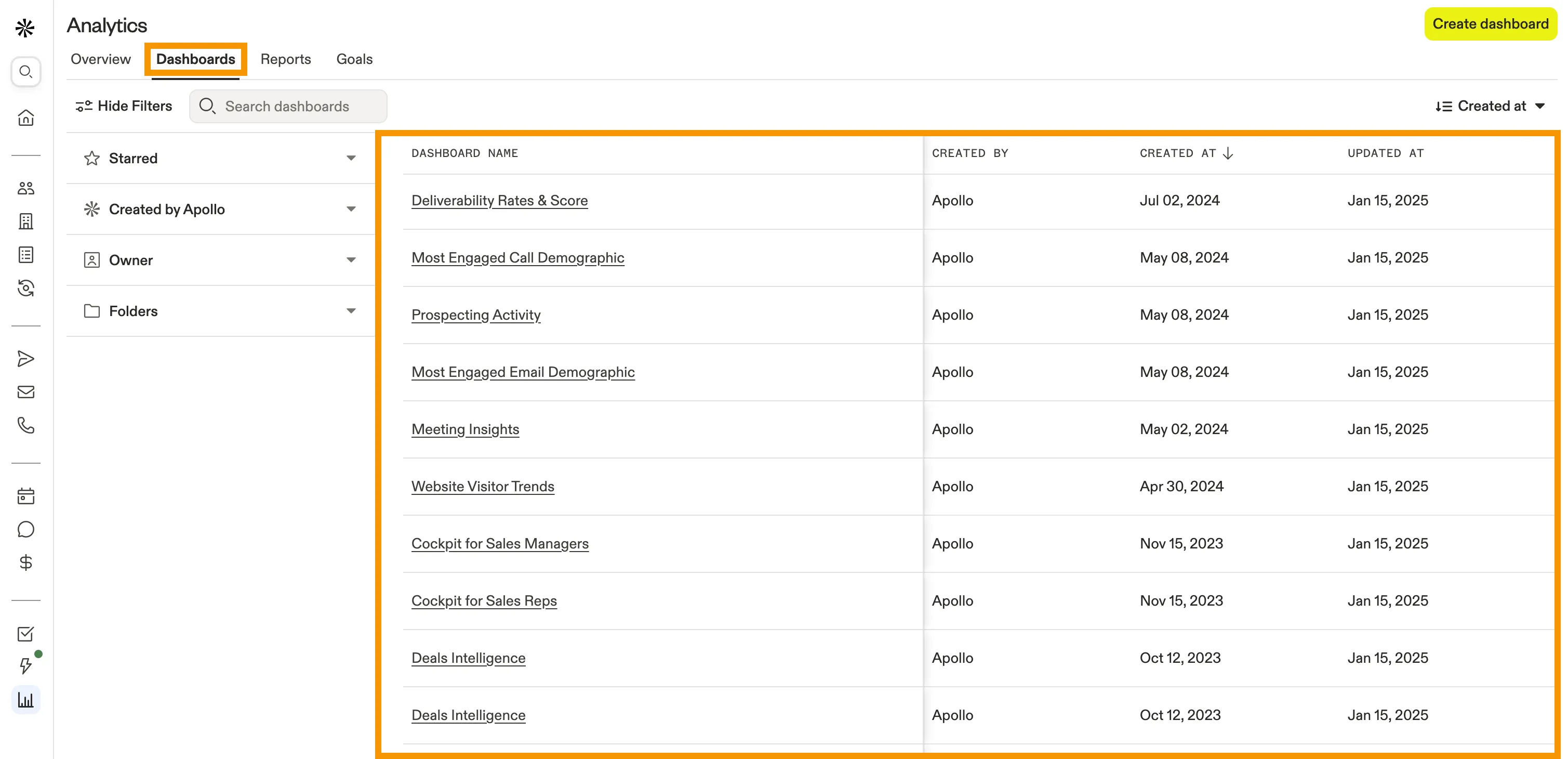 Figure 3: AI-powered sales call transcription dashboard highlighting prospect objections and key action items.
Key Dialer Features
- Local Presence Calling: Automatically displays an outbound caller ID with the same area code as the prospect, increasing live answer rates by up to 30%.
- Click-to-Call Everywhere: Click any phone number inside Apollo or on LinkedIn via the Chrome extension to place an outbound call immediately.
- Automated Call Logging & Notes: Call durations, dispositions (connected, left voicemail, bad number), and custom notes sync directly to Salesforce and HubSpot.
Conversation Intelligence & AI Coaching
Apollo’s Organization tier provides advanced conversational analytics:
- Full Call Recording & Transcriptions: Automatically records calls and generates searchable, time-stamped text transcripts.
- Sentiment & Objection Detection: AI flags key moments in the conversation, highlighting competitor mentions, pricing questions, and purchase objections.
- Rep Coaching Scorecards: Sales managers can review talk-to-listen ratios, longest rep monologues, and adherence to sales scripts.
7. Apollo Chrome Extension for LinkedIn & CRMs
For SDRs who live on LinkedIn Sales Navigator, Apollo provides a powerful browser extension:
- Instant LinkedIn Enrichment: Reveals verified business emails, direct dials, and company revenue data while browsing any LinkedIn profile.
- 1-Click Sequence Enrollment: Add a prospect directly into an active email cadence without leaving LinkedIn.
- Salesforce & HubSpot Overlays: View Apollo enrichment data and contact insights directly inside your CRM records, updating missing phone numbers with a single click.
- Company Website Prospecting: Open the extension while browsing any B2B corporate website to instantly view key executive contacts and tech stack data.
8. Apollo.io Pricing Breakdown & Credit Economics (2026)
Apollo’s pricing model is one of the most competitive in the B2B SaaS market. It operates on a per-user, credit-based structure with significant discounts for annual billing:
| Plan Tier | Annual Billing | Monthly Billing | Email Credits | Phone Credits / mo | Active Sequences | Core Features |
|---|---|---|---|---|---|---|
| Free | $0 | $0 | Limited (~900/yr) | 5 / mo | 2 Sequences | Basic filters, Chrome extension |
| Basic | $49 / user / mo | $59 / mo | 10,000 / mo | 25 / mo | Unlimited | Advanced filters, buying intent, integrations |
| Professional | $79 / user / mo | $99 / mo | Unlimited | 100 / mo | Unlimited | Single-line US dialer, A/B testing, AI copy |
| Organization | $119 / user / mo | Annual only | Unlimited | 200 / mo | Unlimited | Int’l dialer, call recording, SSO, min 3 seats |
Understanding the Apollo Credit System
Apollo separates email credits from mobile phone credits:
- Email Lookups: Consumes 1 credit per verified email revealed. Paid plans provide virtually unlimited email lookup volume.
- Mobile Phone Numbers: Consumes 8 credits per direct dial revealed. Because phone numbers consume 8x more credits, heavy calling teams can burn through their monthly allowance quickly.
- No Monthly Rollover: Unused phone credits do not roll over to the next month, making it important to plan prospecting volume around monthly billing dates.
9. Competitive Benchmarking: Apollo vs ZoomInfo vs Lusha vs Clay
| Sales Platform | Database Scale | Direct Phone Quality | Native Sequences | Built-in Dialer | Starting Price | Best For |
|---|---|---|---|---|---|---|
| Apollo.io | 275M+ Contacts | 65% – 75% | Yes (Full Multichannel) | Yes (VoIP Cloud) | $49 / mo | Startups, agencies, all-in-one outbound |
| ZoomInfo | 300M+ Contacts | 85% – 95% | Add-on (Engage) | Enterprise add-on | $15,000+ / yr | Enterprise sales with large budgets |
| Lusha | 280M+ Profiles | 85%+ (HLR Checked) | Basic cadences | No dialer | $37.45 / mo | Surgical LinkedIn prospecting, direct mobile dials |
| Clay.com | 50+ Provider Waterfall | Variable by vendor | No (Webhook only) | No dialer | $149 / mo | Complex data waterfalls and custom enrichment |
For an in-depth breakdown of how Apollo compares to Lusha, read our comprehensive Lusha vs Apollo.io comparison guide. If you are exploring broader email platforms, see our guide to the Best Email Tools.
10. Deliverability Blueprint: Running Cold Outbound Safely
To maximize outbound pipeline while protecting domain reputation, follow this proven operational blueprint when using Apollo:
- Never Send High-Volume Cold Emails from Your Primary Domain: Set up 2 to 3 secondary domains (such as
companyname-hq.comorgetcompanyname.com) dedicated exclusively to outbound prospecting. - Configure Authentication Records: Verify that SPF, DKIM, DMARC, and custom tracking domains are fully authenticated before sending a single email.
- Warm Up Inboxes for 14 Days: Use Apollo’s automated warmup features or dedicated warmup pools, gradually scaling daily volume from 10 to a maximum of 40 emails per inbox per day.
- Clean Apollo Lists Before High-Volume Campaigns: Run exported lists through a secondary verifier like ZeroBounce to filter out catch-all domains and invalid mailboxes.
- Rotate Sending Inboxes: Distribute sequence steps across multiple mailboxes to ensure no individual address sends more than 35 cold emails daily.
11. Frequently Asked Questions
No B2B database achieves 100% accuracy. Apollo verified emails typically deliver 90% to 92% deliverability in production benchmarks. For large campaigns, running lists through a secondary verifier like ZeroBounce ensures bounce rates stay below the critical 2% threshold.
Apollo Basic ($49/user/mo) includes database search, basic sequencing, and core CRM integrations. The Professional plan ($79/user/mo) unlocks unlimited email sequences, advanced A/B testing, custom sequence branching, and a built-in single-line US VoIP dialer with call recording.
ZoomInfo charges $15,000+ per year on multi-year enterprise contracts with slightly higher mobile phone connect rates. Apollo provides comparable database depth, modern UI, and integrated multi-channel sequencing starting at just $49 per month, offering vastly superior ROI for SMBs and mid-market teams.
Yes. Apollo features a Chrome extension that overlays contact information directly on LinkedIn profiles and search pages, allowing reps to reveal emails, phone numbers, and enroll leads into active sequences in one click.
Revealing a verified business email consumes 1 credit. Revealing a direct mobile phone number consumes 8 credits. Unused monthly credits do not roll over to subsequent billing cycles.
Apollo complies with GDPR and CCPA regulations, maintaining SOC 2 Type II certifications, strict privacy safeguards, opt-out registries, and automated data subject request mechanisms.
12. Final Verdict: Is Apollo.io Worth It in 2026?


Apollo.io
Apollo.io is the undisputed best-value sales intelligence and outbound engagement platform for 2026. By unifying a massive 275M+ contact database, automated email sequences, and a native VoIP dialer under a single accessible subscription, it eliminates tech stack fragmentation and delivers unmatched ROI for growing sales organizations.